

It’s easy to make the distinction between sex versus sexual assault. Sex requires consent. Without consent, it’s sexual assault.
Although this rule of thumb is so simple, people continue to violate its boundaries. To help educate the public on consent, many No Means No campaigns have been swapped out for Yes Means Yes policies.
No Means No is designed to protect people from sexual assault, but can create ambiguities. It is built around the idea that a sexual act is unwanted, if an individual says no to it.
But what if somebody doesn’t say anything? What if they said yes before and then no?

California is the first state in the nation to pass a Yes Means Yes law. This piece of legislation requires that each person get clear affirmative consent before engaging in a sexual activity.
Under Yes Means Yes, affirmation for a sexual act must be made consciously, unambiguously and voluntarily. It can be made verbally or communicated through actions.
Silence does not qualify as consent. Not saying no does not mean consent. Also, if a person is mentally incapacitated – whether from drinking, drugs or something else – it is not considered consent.
Another crucial point in understanding consent is that it is an ongoing process. Consent must be made throughout a sexual interaction. Just because an individual agreed to one type of sexual act does not mean that they consent to another. Similarly, if an individual has agreed to a sexual act in the past or there is an existence of a relationship between the partners, that does not equal consent.
At any point during the sexual interaction, if one person says no, or changes their mind after saying yes, consent has not been granted. Force, threats or other types of coercion used to control another person during a sexual encounter also violates consent.
Jessica Pride is a lawyer dedicated to spreading the word about consent and other policies that help protect all of us against assault. She has been compassionately and successfully representing victims of sexual assault for years. Please reach out to her today if you or a loved one have endured sexual assault and want to learn more about your rights.
Related Posts

Can you file a sexual assault lawsuit without making your identity public? California courts may allow survivors to proceed as Jane Doe. An attorney can help you understand the court approval process, what privacy protections may be available, and what happens if those protections are violated.

The public response to sexual assault allegations at Cornell University has raised difficult questions about survivor privacy. Jessica Pride reflects on why survivors deserve control over their identities and when and how their stories are told.

After a sexual assault at work, how do you decide what to do next. Knowing what to consider now and the legal options available can help you make informed decisions about your safety and your job.
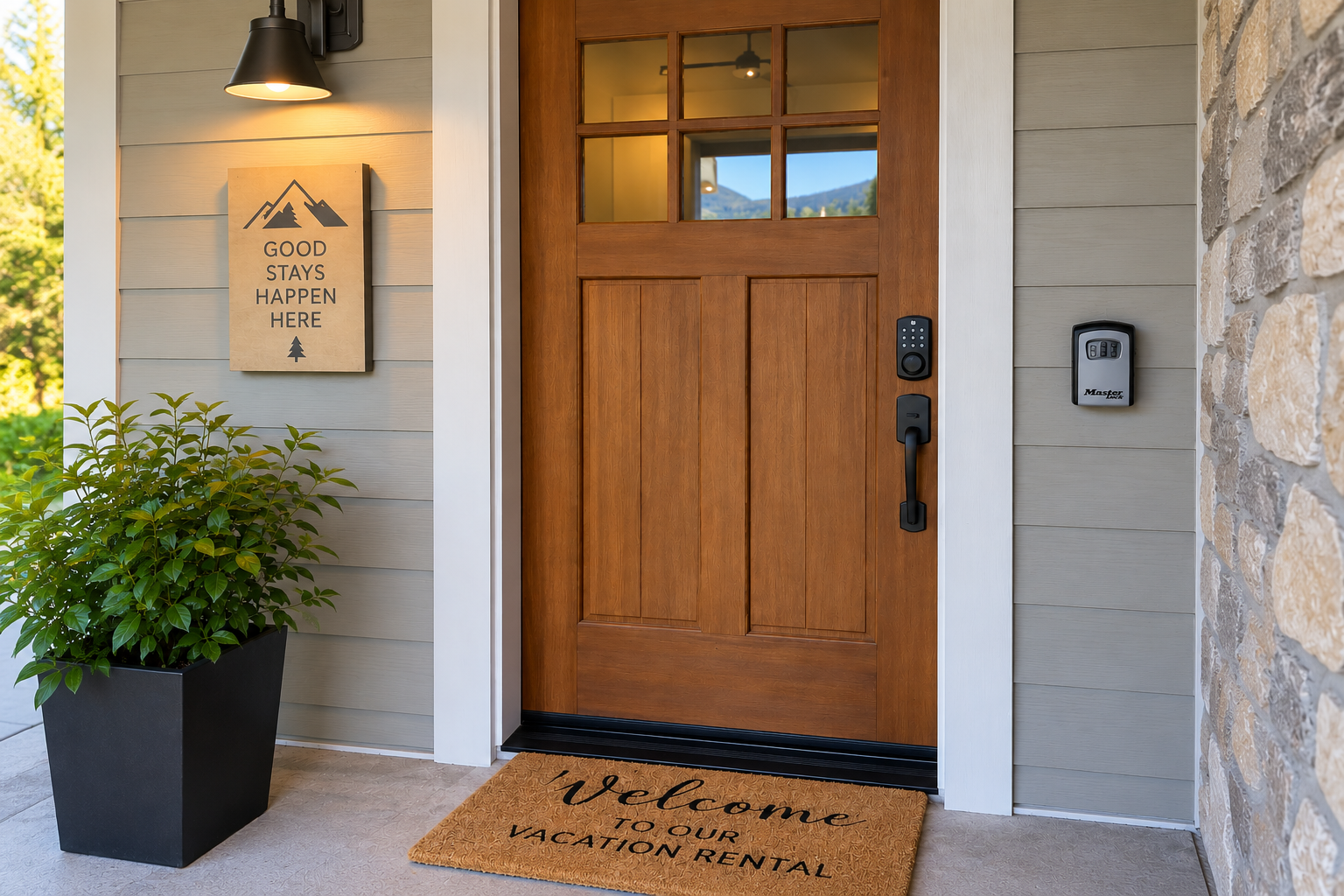
A sexual assault at an Airbnb can raise questions about responsibility beyond the person who committed the assault. Hosts, property owners, Airbnb, and other parties could also face a civil claim.

When child sexual abuse happens at school, the school may also bear responsibility. Understanding negligence, mandated reporting, and school liability can help survivors and families explore their legal options.

Workplace sexual misconduct can raise difficult questions about an employer’s responsibility, reporting to HR, and protecting your rights. California survivors may have legal options based on who was involved and how the employer responded.

After a sexual assault at an Airbnb, you may be facing difficult decisions far from home. Jessica Pride explains what to consider now and how to protect your options when you’re ready.

Hotel employees may encounter signs of exploitation that others never see. Recognizing patterns of control and unusual activity can help identify potential sex trafficking and raise questions about a hotel's responsibility to respond.
