
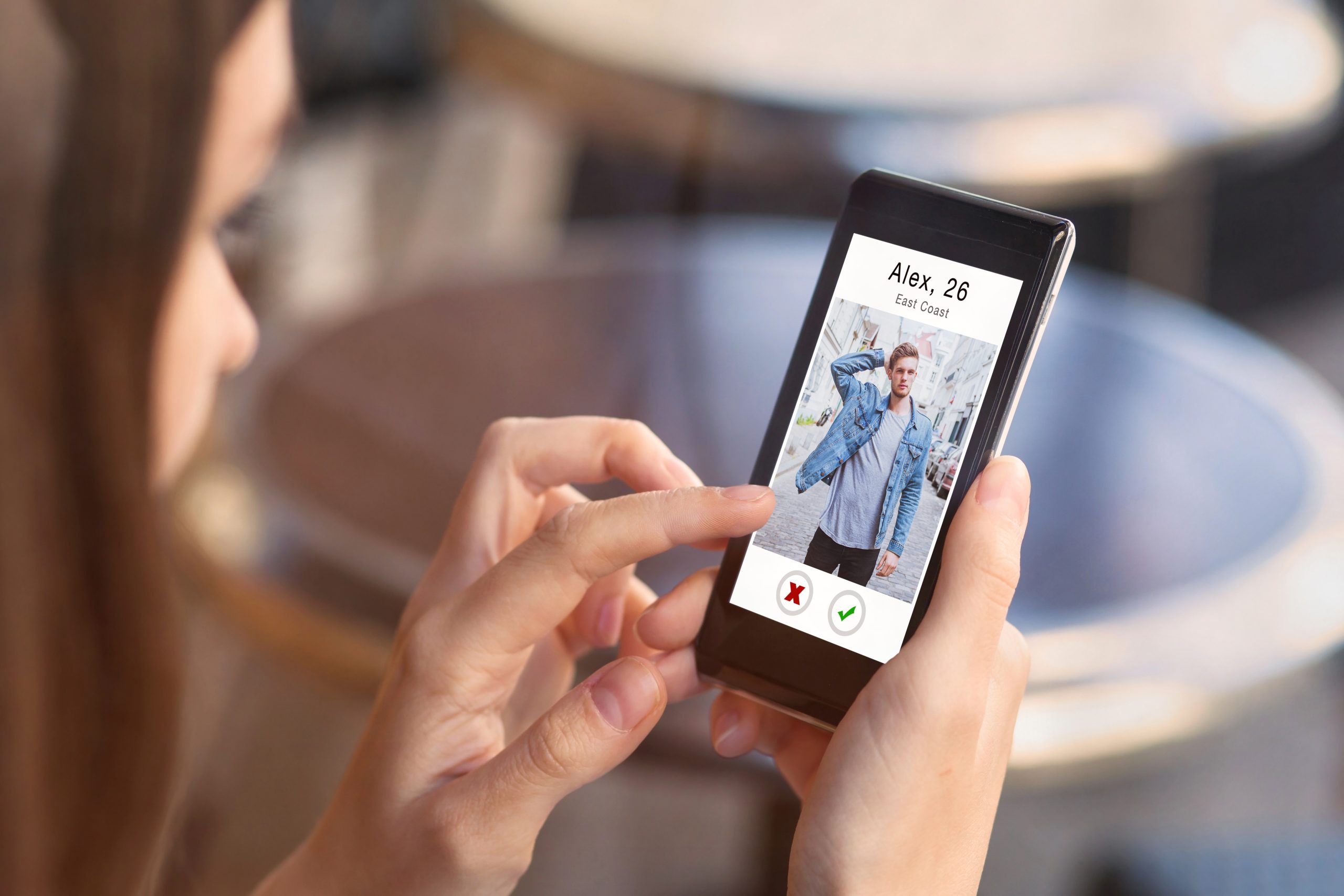
Social media platforms like Instagram, Facebook, TikTok, Snapchat, and other online communities help people connect every day. While these platforms offer many benefits, they can also be used by those who intend to cause harm. Sex traffickers increasingly use social media to identify, contact, groom, and exploit others. Children, teens, and vulnerable adults may be especially at risk.
Jessica Pride is the managing partner of The Pride Law Firm and represents survivors of sexual assault and sex trafficking in civil lawsuits throughout California. Drawing on her experience representing survivors, she explains how traffickers use social media, warning signs to watch for, and the legal options that may be available.
Why Do Sex Traffickers Use Social Media?
Long gone are the days when society relied on face-to-face communication to socialize. Today, people commonly find friends, build professional networks, and meet romantic partners online. Online communities provide camaraderie, opportunities to learn new information, and even ways to start and grow businesses. Although millions of people use social media safely every day, traffickers also exploit these platforms to carry out their crimes. Why do traffickers rely on social media, and what makes online recruitment so effective?
One reason traffickers use social media is that they can easily conceal their identities. Most social media platforms allow users to create accounts without verifying their identity, making it possible to use fake names, stolen photos, or other false information. Traffickers may also create multiple accounts to contact people, evade detection, or continue communicating if one profile is reported or removed.
While many social media platforms have minimum age requirements and safety features, children and teens can sometimes bypass age restrictions or interact with adults posing as someone closer to their own age. These deceptive tactics can make it more difficult to recognize when an online conversation is becoming unsafe.
How Sex Traffickers Use Social Media to Recruit and Exploit People
Catfishing and Fake Online Identities: Traffickers rarely use their real names or photos on social media. Instead, they may create fake profiles and assume false identities—a tactic commonly known as “catfishing.” The fake profile can then deceive someone into trusting them, not knowing that they aren’t who they promised to be. They may not realize they’ve been misled until they meet the trafficker in person for the first time.
Grooming Through Trust and Emotional Manipulation: Once a sex trafficker gets the attention of the person they’re targeting, they usually entice them by offering a better life than the one they currently have—whether that’s the promise of improved finances, a romantic partner, or a mentor. Then, they shower them with praise, emotional support, and gifts to make them feel special.
Sextortion and Online Blackmail: Sex trafficking and sextortion are separate crimes, but one can lead to the other. Simply put, sextortion is a type of blackmail where a perpetrator threatens to publicize someone’s sensitive images unless they do something in return. They sometimes demand financial payment but might also extort sexual favors.
Fake Jobs, Modeling Contracts, and Other Fraudulent Offers: Sometimes, traffickers will offer someone a modeling contract or lucrative job to lure them in. These promises often seem legitimate at first glance, and an individual may travel out of state or even out of the country to pursue the opportunity. When they meet the trafficker, they quickly find out that the work proposal was a sham.
Warning Signs of Sex Trafficking Through Social Media
It isn’t always obvious when someone is being recruited or exploited through social media. Recognizing common sex trafficking warning signs can help you identify potentially dangerous situations and know when to seek help. If you have reason to believe someone is involved in sex trafficking, contact law enforcement as soon as it is safe to do so.
No single behavior confirms that trafficking is occurring, but the following online and offline indicators may suggest that someone is being targeted.
Secrecy Around Phones and Social Media Accounts: If someone suddenly becomes protective of their phone or social media accounts when family members or partners ask to see them, it could indicate something is wrong.
Unexplained Money or Expensive Gifts: An unexplained influx of money, expensive gifts, or luxury items without a clear source of income may suggest that someone is being exploited.
Sharing Explicit Content for Financial Gain: Someone who’s being trafficked might share explicit pictures or videos on social media and make references to being paid for commercial sex.
Loss of Control Over Social Media Accounts: If it appears that someone else controls a person’s social media account or decides what they can post online, it may indicate that they are being controlled or exploited.
Withdrawal From Friends and Family: A person who is being trafficked may withdraw from family and friends because they fear retaliation, feel ashamed, or worry about what could happen if anyone learns what they are experiencing.
Relationships That Progress Unusually Quickly: Traffickers often try to build trust quickly by offering affection, emotional support, employment, travel, or financial opportunities. Relationships that progress unusually fast or involve pressure to keep secrets or distance themselves from family and friends should be approached with caution.
Can You Sue if You Were Targeted Through Social Media for Sex Trafficking?
Survivors who were groomed or lured through social media often believe there are no legal options if the trafficking began with an online conversation. In reality, they may be able to pursue a civil lawsuit against traffickers and, in some cases, businesses or organizations whose negligence or misconduct contributed to the exploitation. While every case is different, a civil lawsuit may provide an opportunity to seek accountability and financial compensation—even if no criminal charges were filed or no conviction was obtained.
Many survivors are focused on rebuilding their lives after trafficking and may not realize that the civil justice system offers another path toward accountability. Although no legal action can undo the harm they experienced, pursuing a sex trafficking lawsuit can help some survivors regain a sense of control while holding responsible parties accountable. Determining who may be legally responsible requires a careful review of the facts, which is why it’s important to speak with an attorney experienced in civil sex trafficking cases.
Recovering after sexual assault or sex trafficking can feel overwhelming, but you don’t have to face the legal process alone. If you or someone you love was targeted through social media or drawn into sex trafficking, contact The Pride Law Firm for a free, confidential consultation or call (619) 516-8166 to discuss your legal rights and explore your options.
Related Posts

Hotel employees may encounter signs of exploitation that others never see. Recognizing patterns of control and unusual activity can help identify potential sex trafficking and raise questions about a hotel's responsibility to respond.

Learn who may be held legally responsible in a civil sex trafficking lawsuit, from traffickers to hotels, online platforms, transportation companies, and other third parties that may have enabled the abuse.

Hotels and motels may face civil liability when they ignore warning signs of sex trafficking. Learn when hotels can be held accountable and what legal options survivors may have.

Criminal charges aren't the only path to justice. Find out how civil sex trafficking lawsuits can help survivors seek accountability and financial compensation.

Learn about the common warning signs of sex trafficking, how traffickers manipulate people, and what steps to take if you suspect someone is being exploited.
